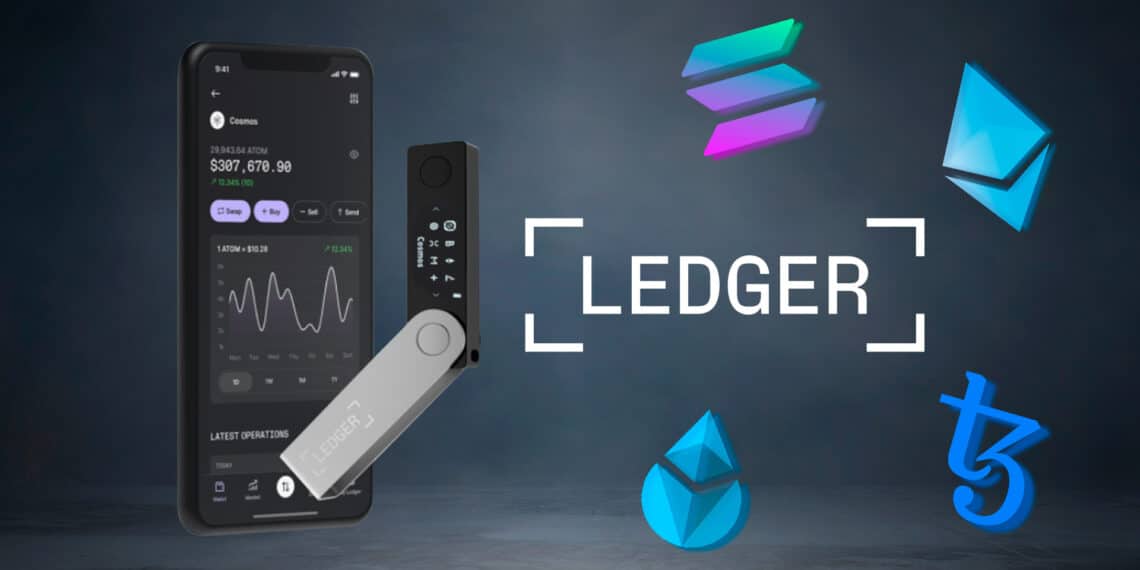
Ledger Login: A Complete Guide to Secure Access to Your Crypto Wallet
In the world of digital finance, one of the most crucial steps for every crypto user is maintaining strong security around personal wallets and private keys. Ledger devices, known for their hardware-based protection, help millions of users safeguard digital assets from online vulnerabilities. Yet, many users overlook an equally important part of the process: performing the Ledger login securely and correctly. Understanding how to access your Ledger account, interact with the Ledger Live app, and manage security protocols is essential to protecting your investments. This guide provides a detailed look at the Ledger login process, best practices, common errors, and advanced security tips for both new and experienced users.
Understanding the Ledger Login Concept
Before diving into steps, it is important to clarify what “Ledger login” actually means. Unlike traditional online platforms that use usernames and passwords, Ledger does not have a cloud-based account where you log in using typical credentials. Instead, access is tied directly to your hardware device and the Ledger Live application. This means that the real “login” process is the authentication of your identity through your Ledger hardware wallet.
When you connect your device to Ledger Live, the application checks the physical hardware and your PIN code, ensuring only the authorized owner can access sensitive wallet functions. This approach minimizes exposure to online threats, since your private keys never leave the hardware wallet.
How to Perform Ledger Login Using Ledger Live
To access your crypto wallet, you need Ledger Live installed on your computer or mobile device. Once ready, the login process is straightforward but must be done carefully for security reasons.
Step 1: Launch Ledger Live
Open the Ledger Live app on your desktop or mobile. The app will quickly load your dashboard, portfolio view, or whichever screen you previously accessed.
Step 2: Connect Your Ledger Device
Plug your Ledger Nano S, Nano S Plus, or Nano X into your system using the provided USB cable. For Bluetooth-enabled devices, such as Nano X, you can also connect wirelessly.
Step 3: Unlock Your Device
When prompted, enter your PIN code directly on the device. This step acts as your login password. Make sure your PIN is kept secret and never shared with anyone.
Step 4: Open the Required App
Depending on the cryptocurrency or function you want to access, open the relevant app on your Ledger device. For example, open the Bitcoin app to manage BTC transactions.
Step 5: Verify Connection in Ledger Live
Ledger Live should automatically detect your device and confirm authentication. Once connected, your accounts, assets, and portfolio become accessible on the interface.
This process is the secure equivalent of logging in. Since there’s no traditional account, your physical device is the authentication key.
Why Ledger Login Works Differently
Traditional login systems rely on online databases to store credentials. Ledger, however, operates on the principle of offline security. Because your private keys are stored in a hardware chip, there is no need for an online account that could be exposed or hacked.
The login process is centered on two key factors:
Physical possession of your Ledger device
PIN authentication to unlock the device
This combination ensures your digital assets remain protected even if your computer is compromised, as hackers cannot access your wallet without the physical hardware.
Common Ledger Login Issues and How to Fix Them
Even though the login process is secure and straightforward, users may encounter issues. Here are the most common problems and their solutions:
1. Ledger Live Not Detecting the Device
This is typically caused by faulty USB cables, outdated firmware, or incompatible USB ports. Try these fixes:
Use the original cable provided with the Ledger device.
Restart Ledger Live and reconnect the device.
Update Ledger Live to the latest version.
Switch to a different USB port.
Ensure your Ledger device’s firmware is up to date.
2. Incorrect PIN Entry
If you enter the wrong PIN too many times, the device will reset for security reasons. Make sure to remember your PIN or store it in a secure location. If the device resets, you can recover your wallet using your 24-word recovery phrase.
3. Bluetooth Pairing Issues (Nano X)
If your device fails to connect over Bluetooth:
Enable Bluetooth on your phone.
Move away from interference sources.
Restart both the device and the Ledger Live app.
4. Ledger Live Sync Problems
Your portfolio or accounts may not load due to connection issues or outdated software. Try clearing cache, updating the app, or switching networks.
Security Tips for a Safe Ledger Login Experience
A secure login begins with safe hardware practices. Here are essential tips to keep your assets protected:
Never Share Your Recovery Phrase
The recovery phrase is the master key to your wallet. No one from Ledger or any support team will ever request it.
Use Your Ledger Device in a Private Environment
Avoid connecting your device in public places or on shared computers.
Keep Your PIN Confidential
Treat your PIN like your bank ATM password. Choose a number that is not obvious or easily guessable.
Enable Ledger Live Password Lock
This optional feature requires you to enter a password before opening Ledger Live. It adds an additional layer of security if someone gains access to your device.
Regularly Update Firmware
New updates strengthen security features and improve compatibility.
Beware of Phishing Websites
Criminals often create fake interfaces pretending to be Ledger. Always ensure you are using only the official Ledger Live app downloaded from trusted sources.
Why a Secure Ledger Login Matters
In the crypto space, the responsibility of security falls largely on the user. Unlike traditional banks, there is no customer service hotline that can recover your funds if they are compromised. This makes proper login practices crucial.
A secure Ledger login:
Prevents unauthorized access
Protects private keys
Shields assets from malware and online threats
Ensures safe transaction signing
Maintains long-term portfolio security
Because Ledger devices are designed to remain offline except during transactions, every login moment is a potential security checkpoint. Following proper procedures reduces the chances of accidental exposure.
Final Thoughts
Ledger login is not just a routine step—it’s an essential part of maintaining control over your cryptocurrency assets. Understanding how to connect your device, authenticate securely, avoid common errors, and follow best security practices helps create a reliable and safe environment for managing your portfolio. Whether you're a beginner or a seasoned crypto holder, giving attention to your Ledger login process ensures long-term protection and peace of mind in the volatile world of digital finance.